Richard K. Leonard was exactly the kind of person beloved by any collector of historic or ephemeral items: he kept everything.
In 2022, four of Richard Leonard’s Washington driver’s licenses from the 1920s and 1930s made their way into my collection of historic licenses (along with one other notable Seattleite’s license – more on that later). The following year, I found another of his licenses in a large collection I purchased from the estate of a prominent automotive documents collector in New York City, and within a few monts, one more showed up in an online auction from a different source.
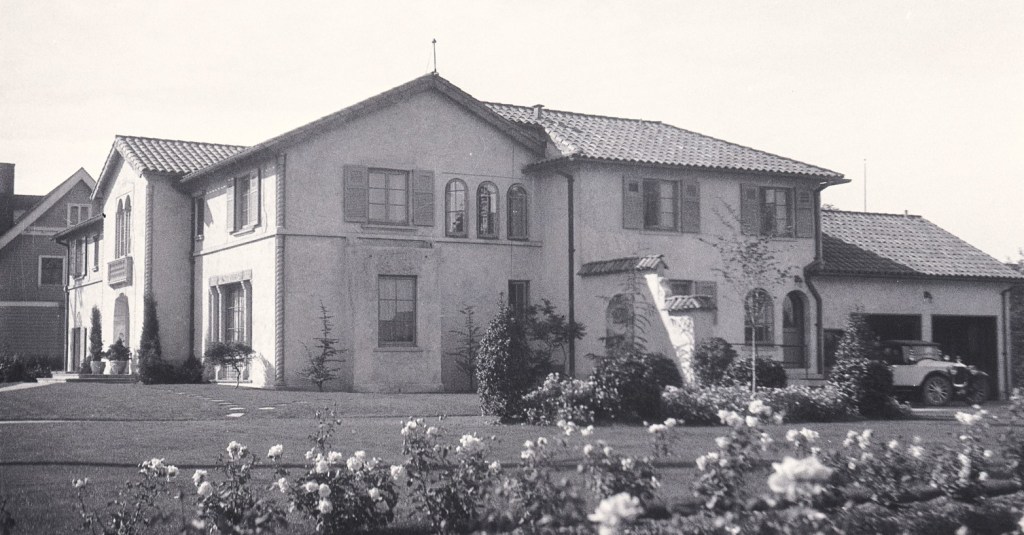
While it’s always a joy to obtain many licenses from one person, and to reunite items that had been scattered over the years, these were always a favorite due to the prominent address of his residence: 1625 Federal Avenue. That grand home, built by a noted architect for a prominent businessman, is located in one of Seattle’s wealthy and historic neighborhoods.
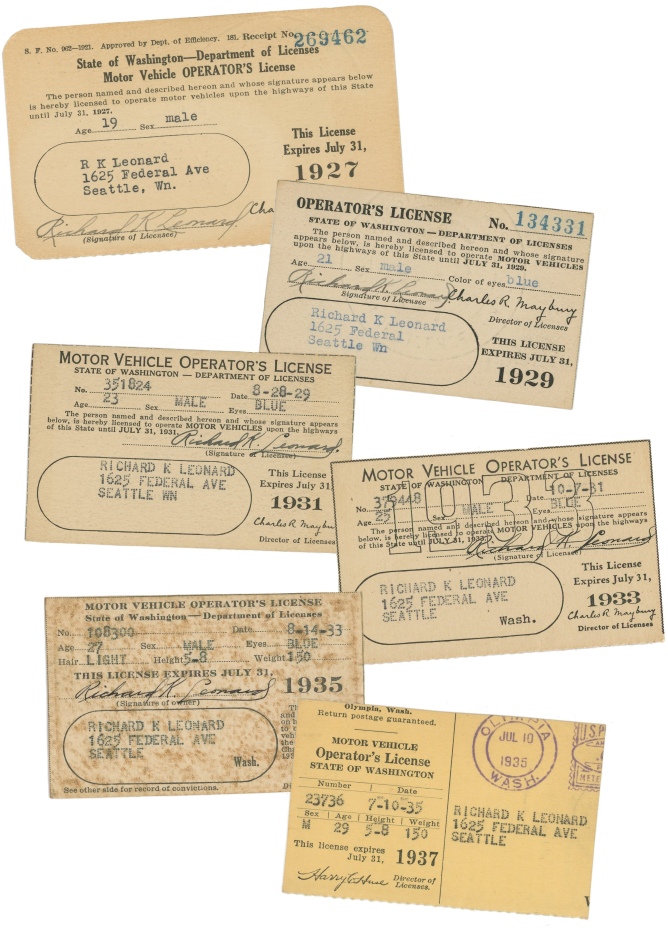
Also beloved by collectors of these types of things are the coincidences that bring more of their history to light. It turns out that Richard Leonard saved all matter of photos and paperwork throughout his life, and at some point in the 21st century, after he had died, these items all scattered to the wind. Through pure dumb luck, many years after obtaining his driver’s licenses, I found scores of interesting photos taken by him, and paperwork that gave more context into the life of the very wealthy in the interwar period of Seattle.
Below is a peek into a life of wealth and adventure.
The Cars
Unless automobile license directories surface for the 1920s and 1930s, it remains unknown what vehicles filled the garage of the Leonard home.
However, multiple photos have made their way into my collection depicting the cars that graced the family property. Some were quite impressive. It appears at least one Rolls-Royce was in the Leonard fleet, or within the family’s circle of friends. How many Rolls-Royces could there have been in Washington state?
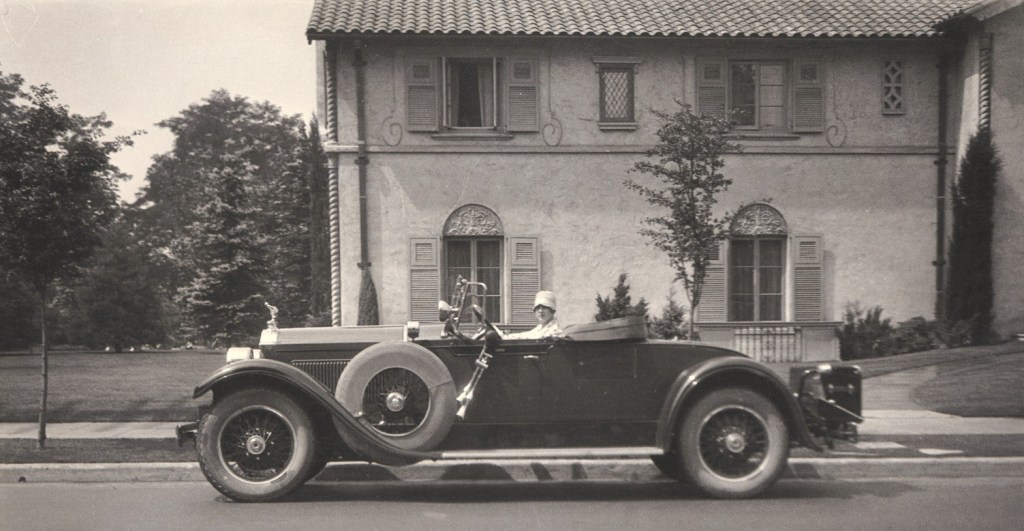
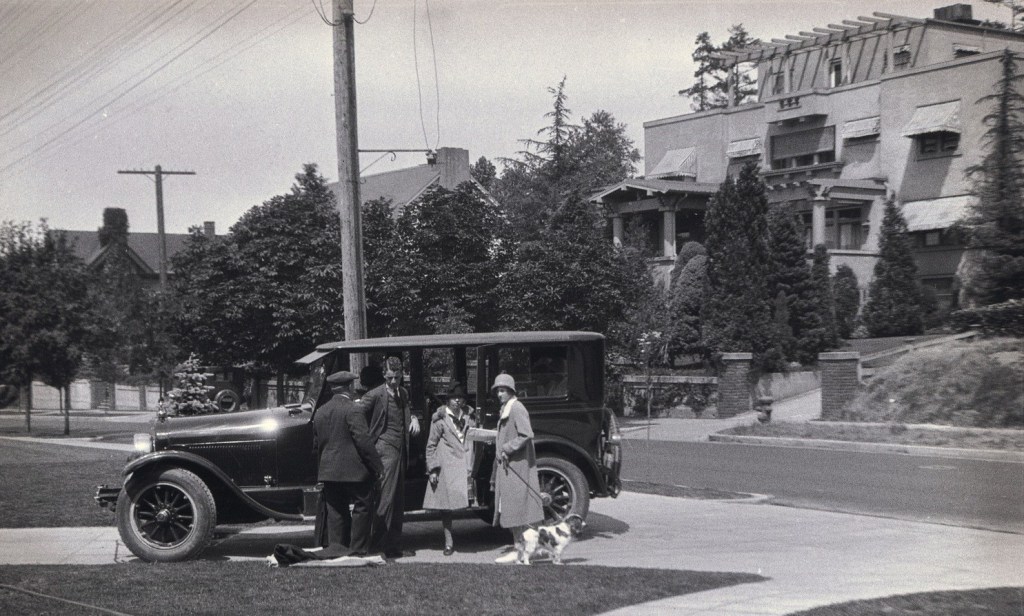
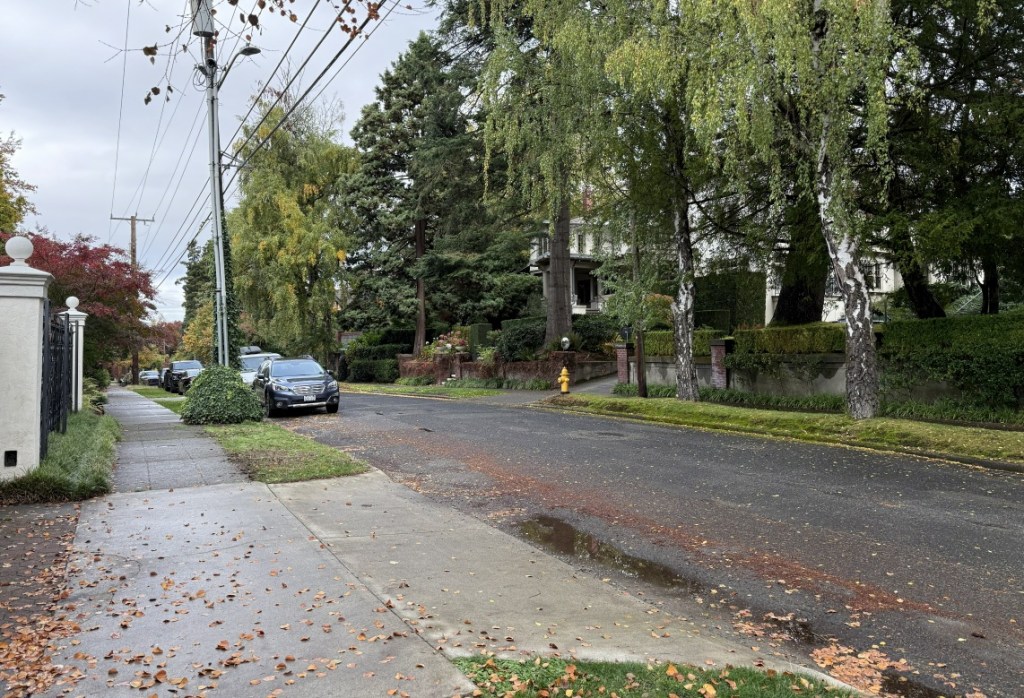
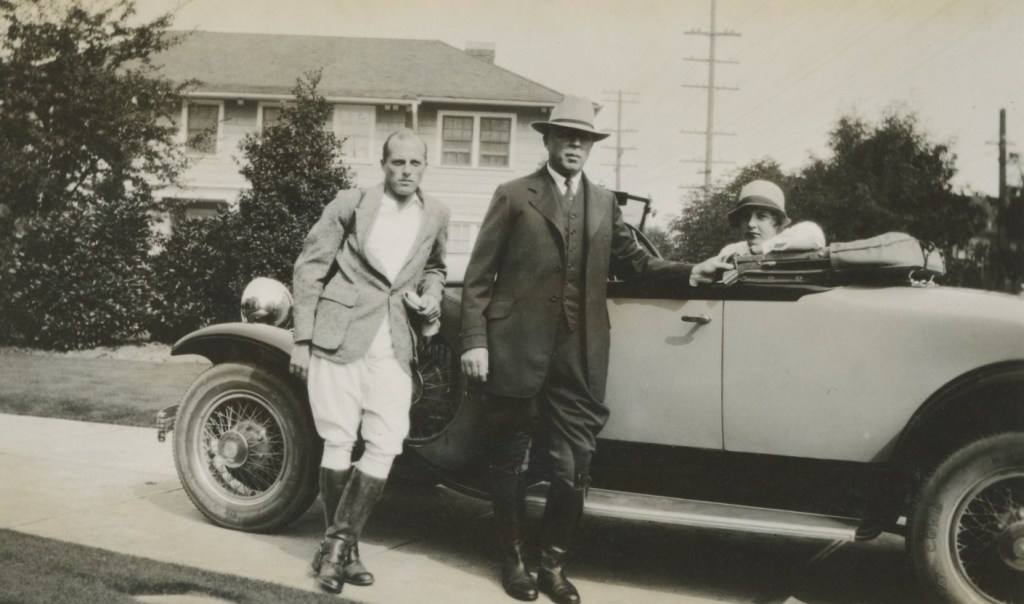
Leonard’s photos did not focus on the front or rear of any of the cars, which is unfortunate since they likely had desirable, prestigious low numbers.
On December 13, 1928, the Seattle Post-Intelligencer shared a long list of local citizens who received notable low license numbers for 1929, and listed Richard’s father, A.W. Leonard, as the recipient of number 26. A two-digit number was a real bragging right, often obtained by people of influence and prominence.
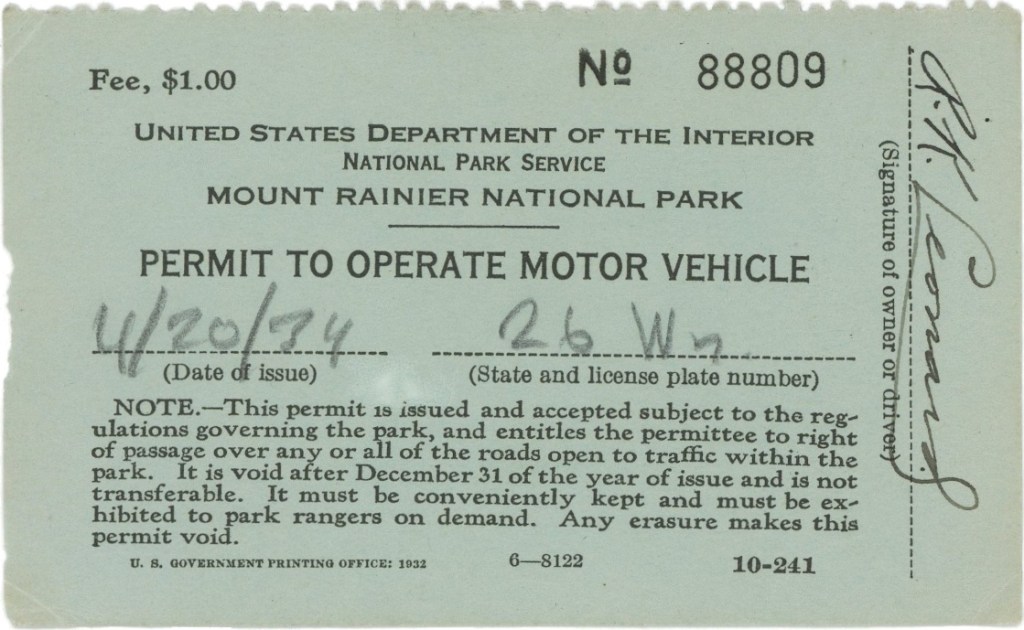
It’s unclear if 1929 was the first year Leonard received that number, but he appeared to still have it in 1934, based on a Mt. Rainier National Park entrance permit, signed by Richard Leonard, that is part of my collection of national park permits (found through a completely separate source):
The following year, 1935, marked the debut of county-coded license plates in Washington. The equivalent of that special low number would then be A-26 (“A” for King County), but it is unknown if that was ever registered to the Leonard family. A 1939 King County license directory in my collection shows that number assigned to an unknown third party.
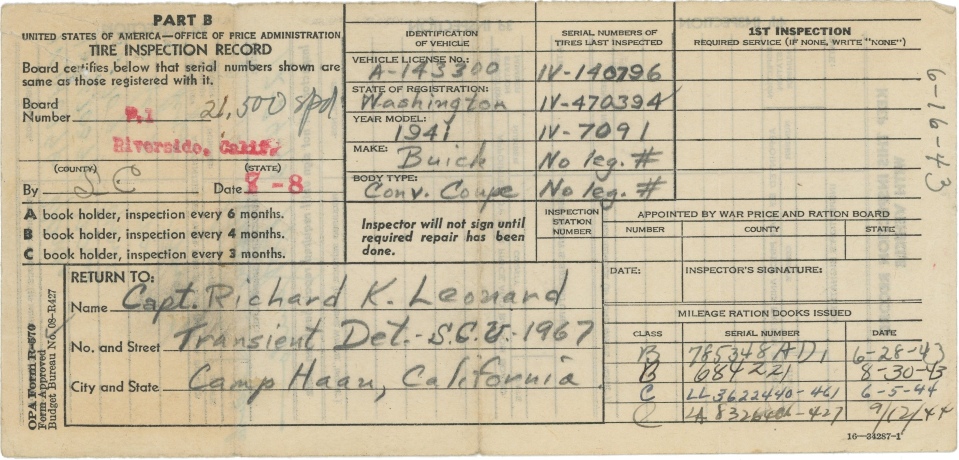
During WWII, Richard Leonard was serving at Camp Haan, California. His tire inspection certificate from 1943 shows he was driving a 1941 Buick convertible, with Washington license plate A-143300 (this would have been a 1942 license plate revalidated with a 1943 windshield sticker), an unremarkable King County number.
The House: 1625 Federal Avenue
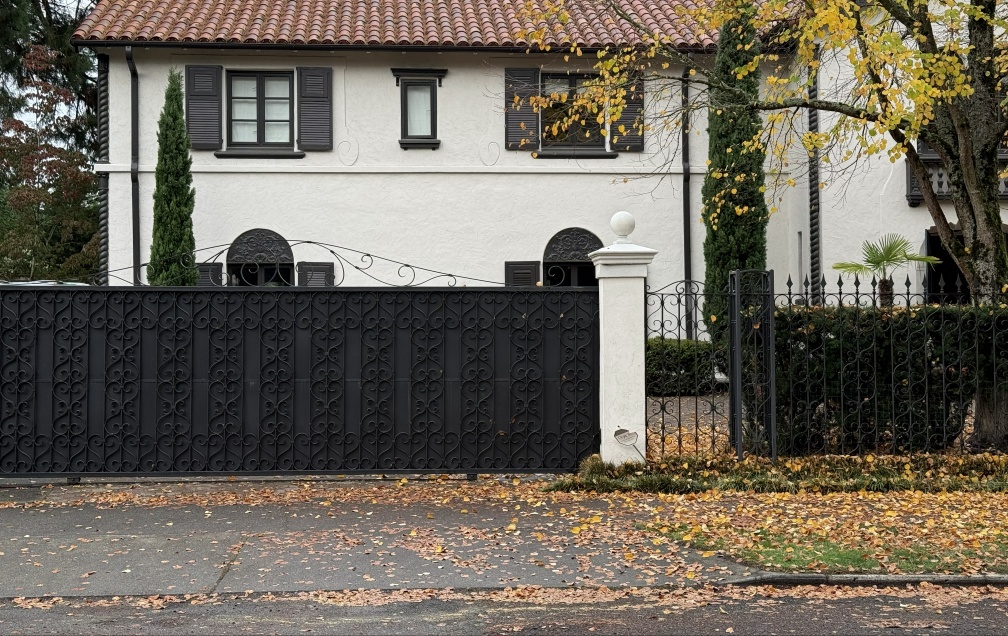
The grand house has been lovingly preserved over the past century (currently on the market!). The real estate listing notes the Mediterranean Rival house was designed by well-known Seattle architect Edwin Ivey in 1924.
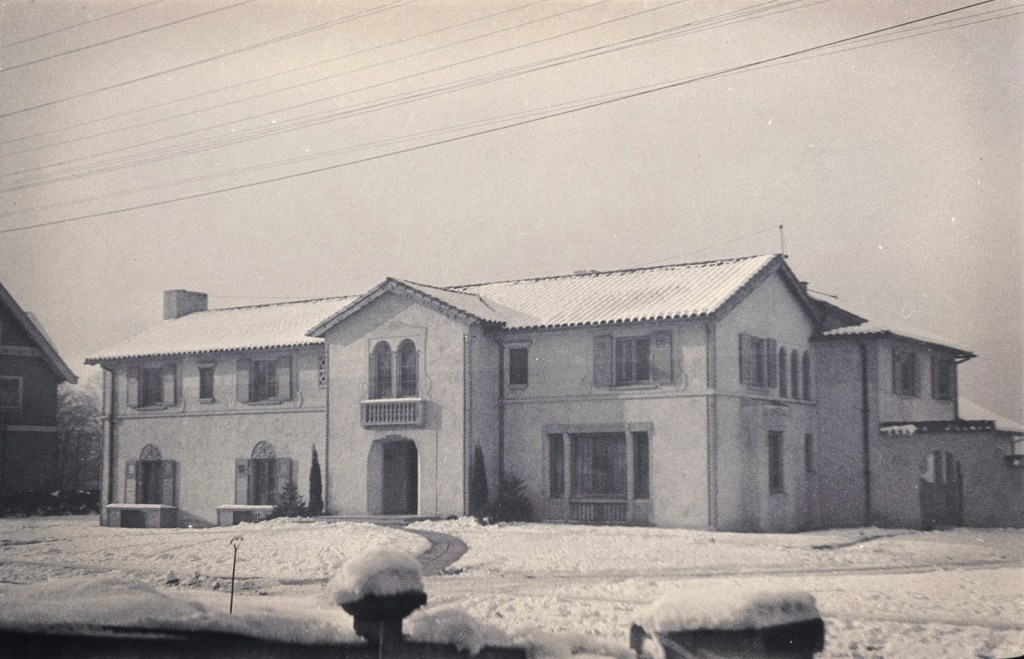
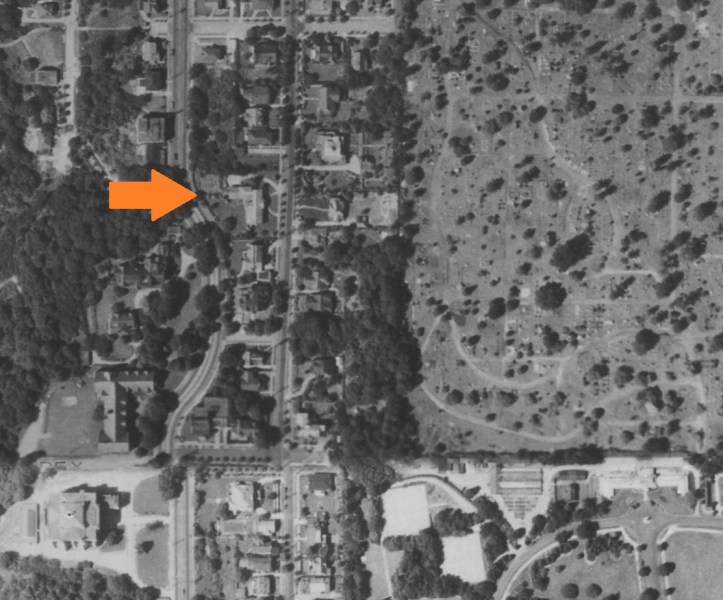
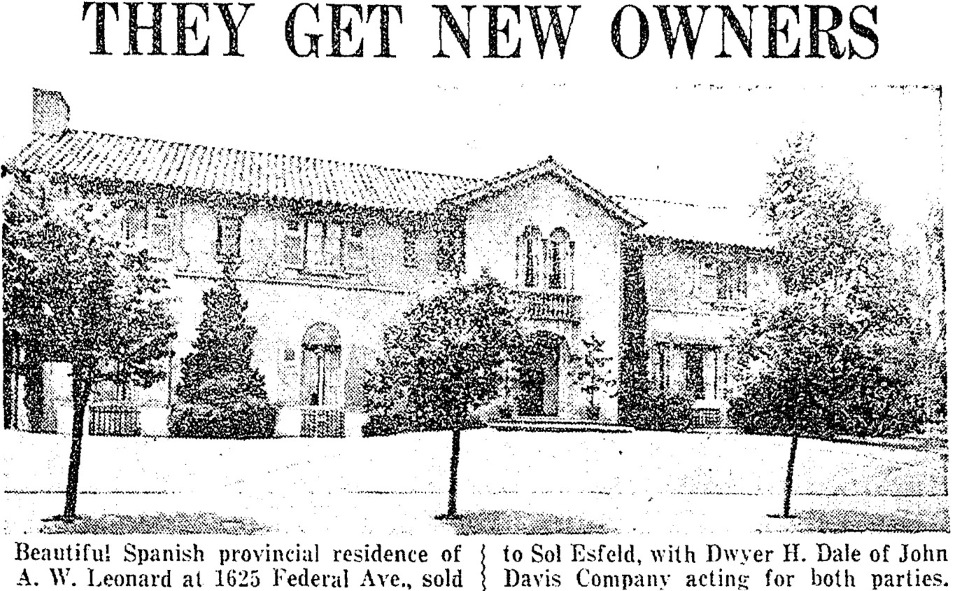
After about 15 years in their home at 1625 Federal Ave., the Leonards moved on. The house was sold in June 1940, with the house’s second owner, Sol Esfeld, becoming its new inhabitant. Esfeld was a cofounder of the Lippman and Esfeld insurance company and a prominent member of the local Jewish community.
In 2024, the house was again for sale (asking $9 million). Listing photos show it has been well cared-for and updated, with large additions built over the years.
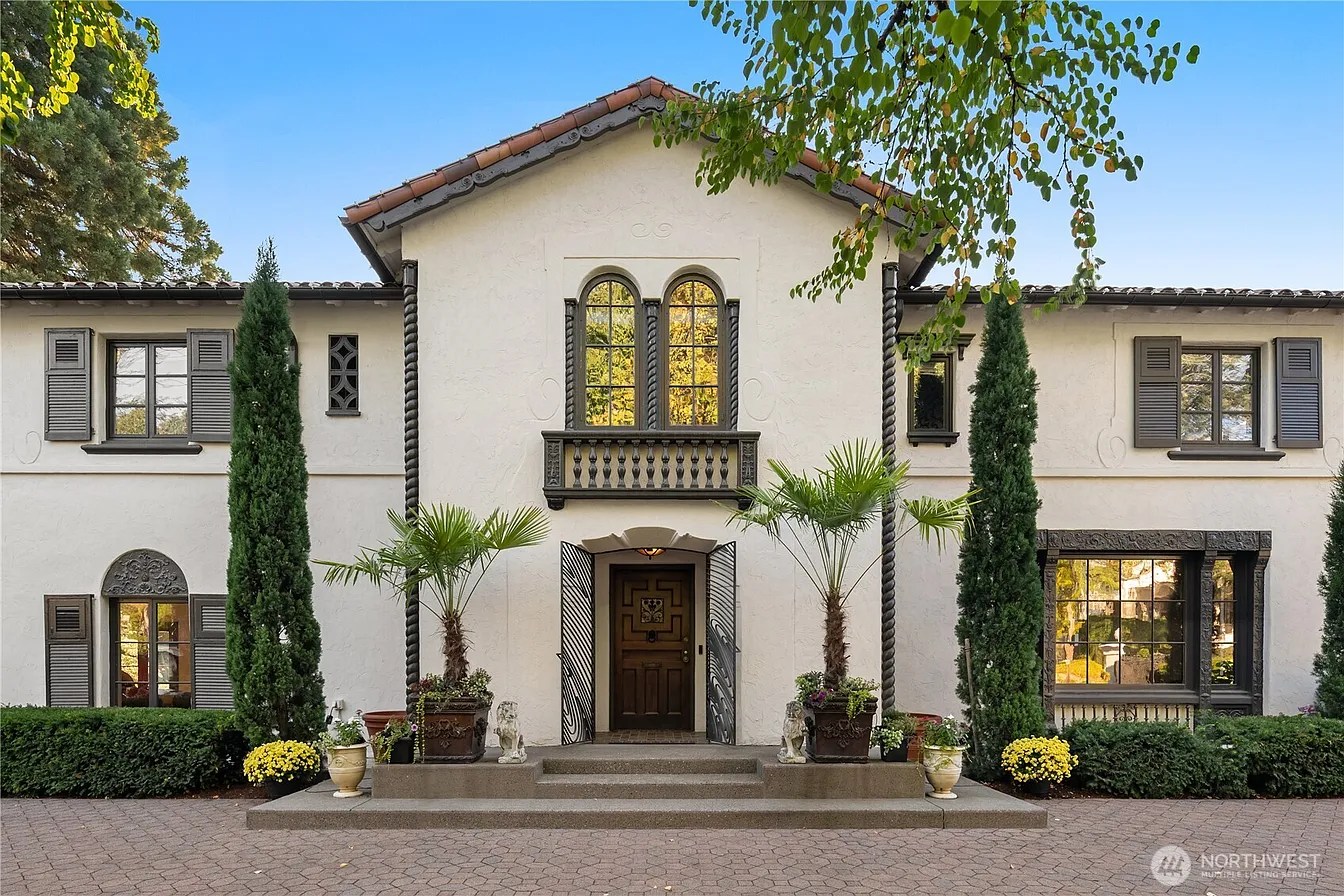
Listing photos of 1625 Federal Ave. from May 2025 (Northwest MLS) 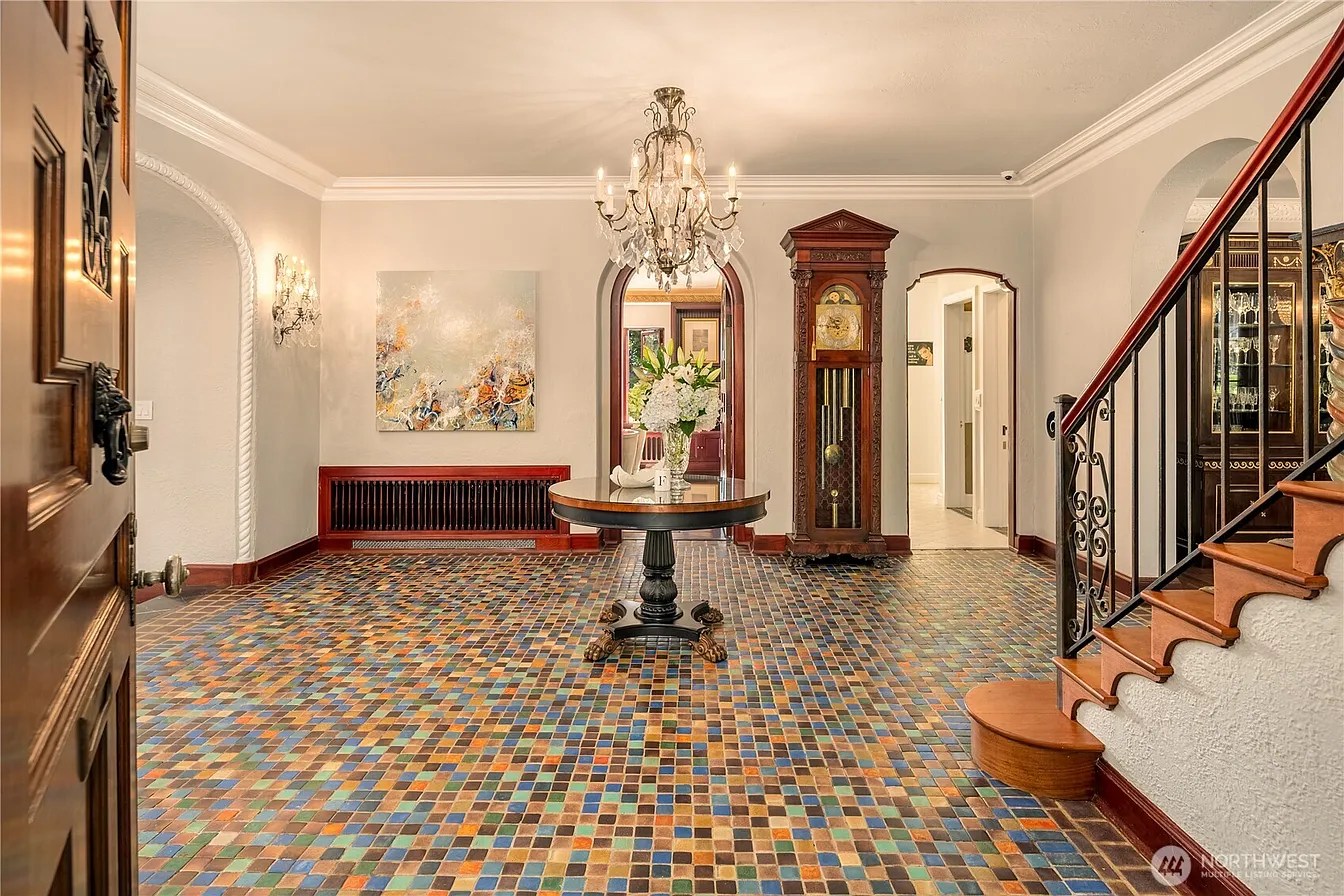
Listing photos of 1625 Federal Ave. from May 2025 (Northwest MLS) 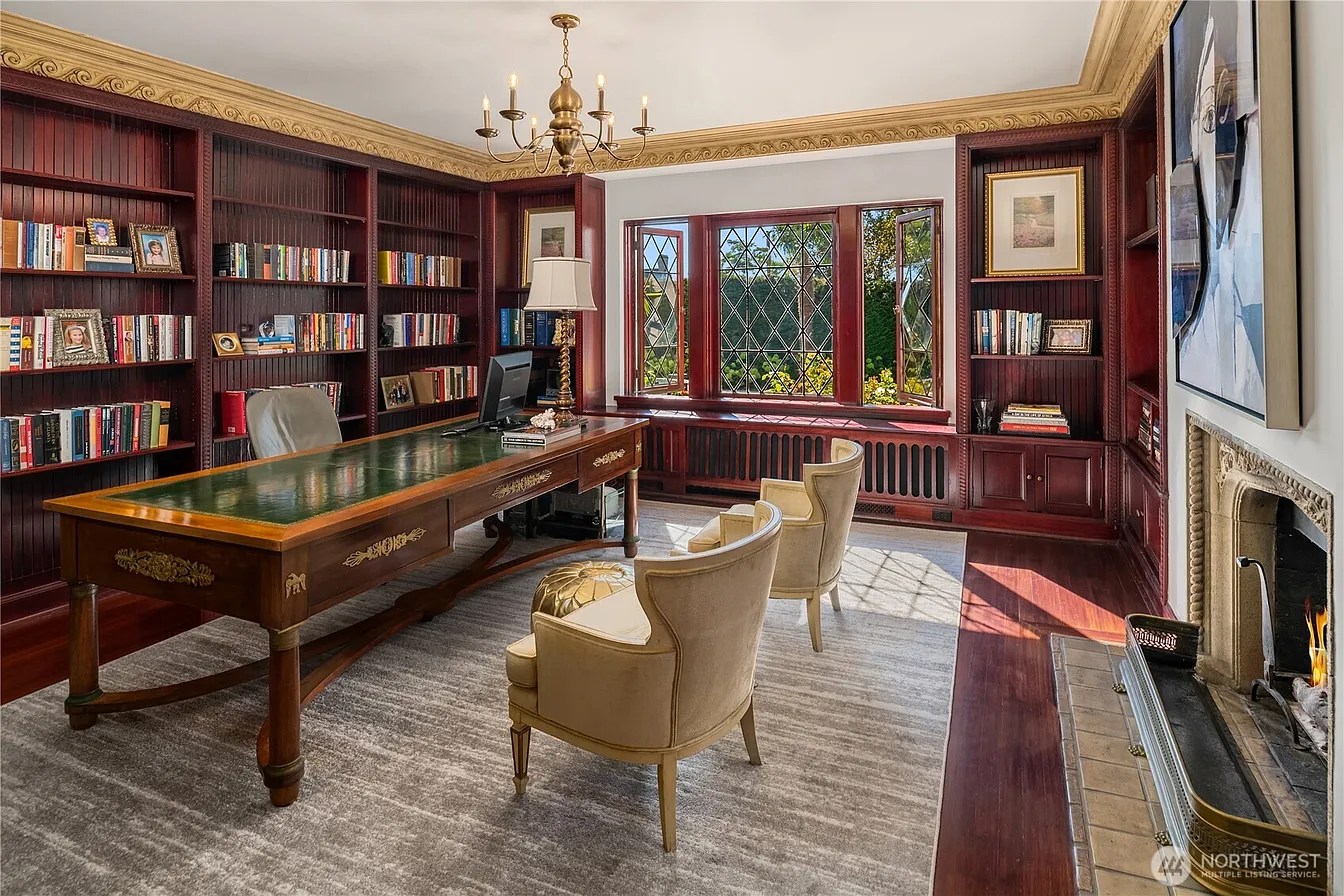
Listing photos of 1625 Federal Ave. from May 2025 (Northwest MLS) 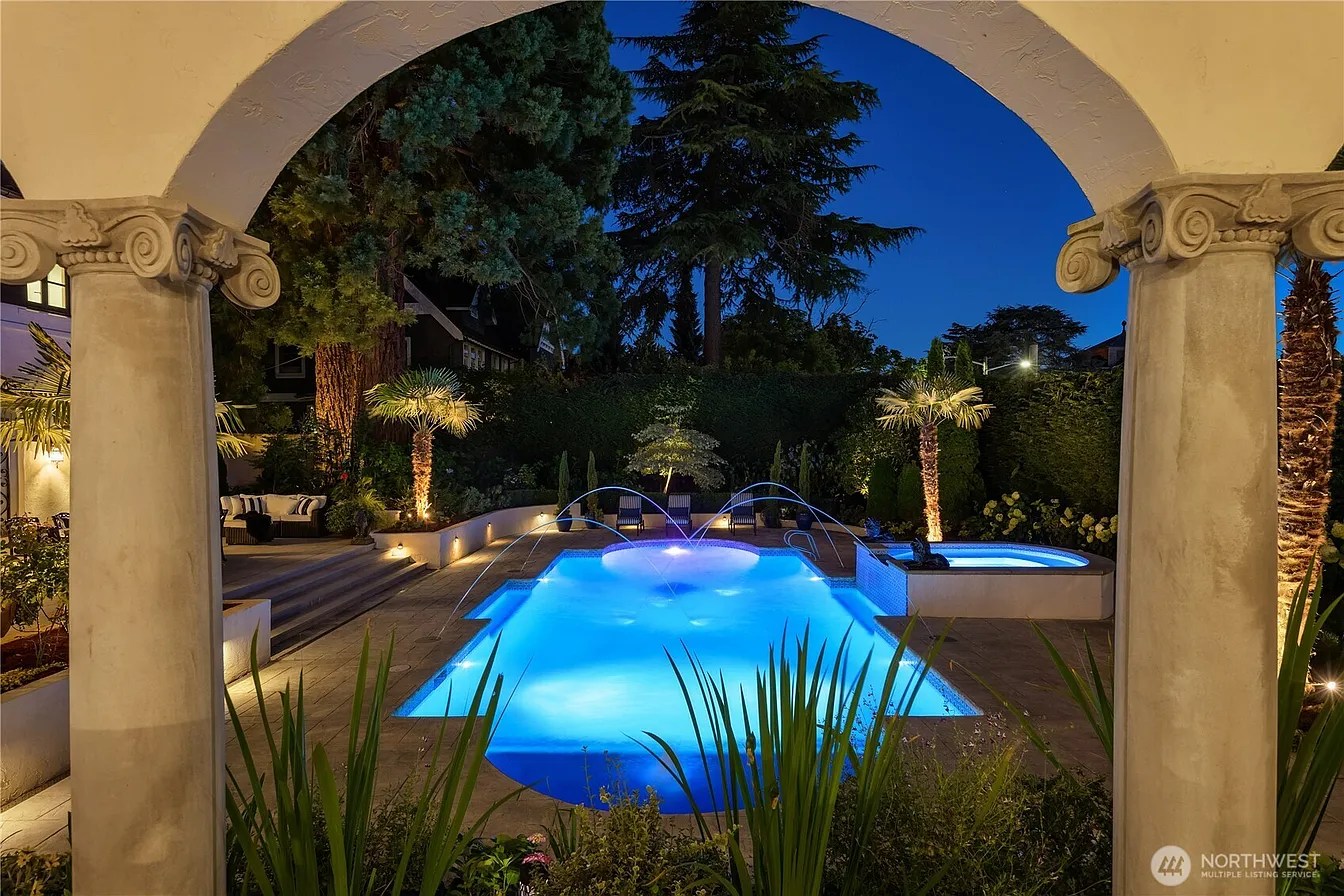
Listing photos of 1625 Federal Ave. from May 2025 (Northwest MLS) 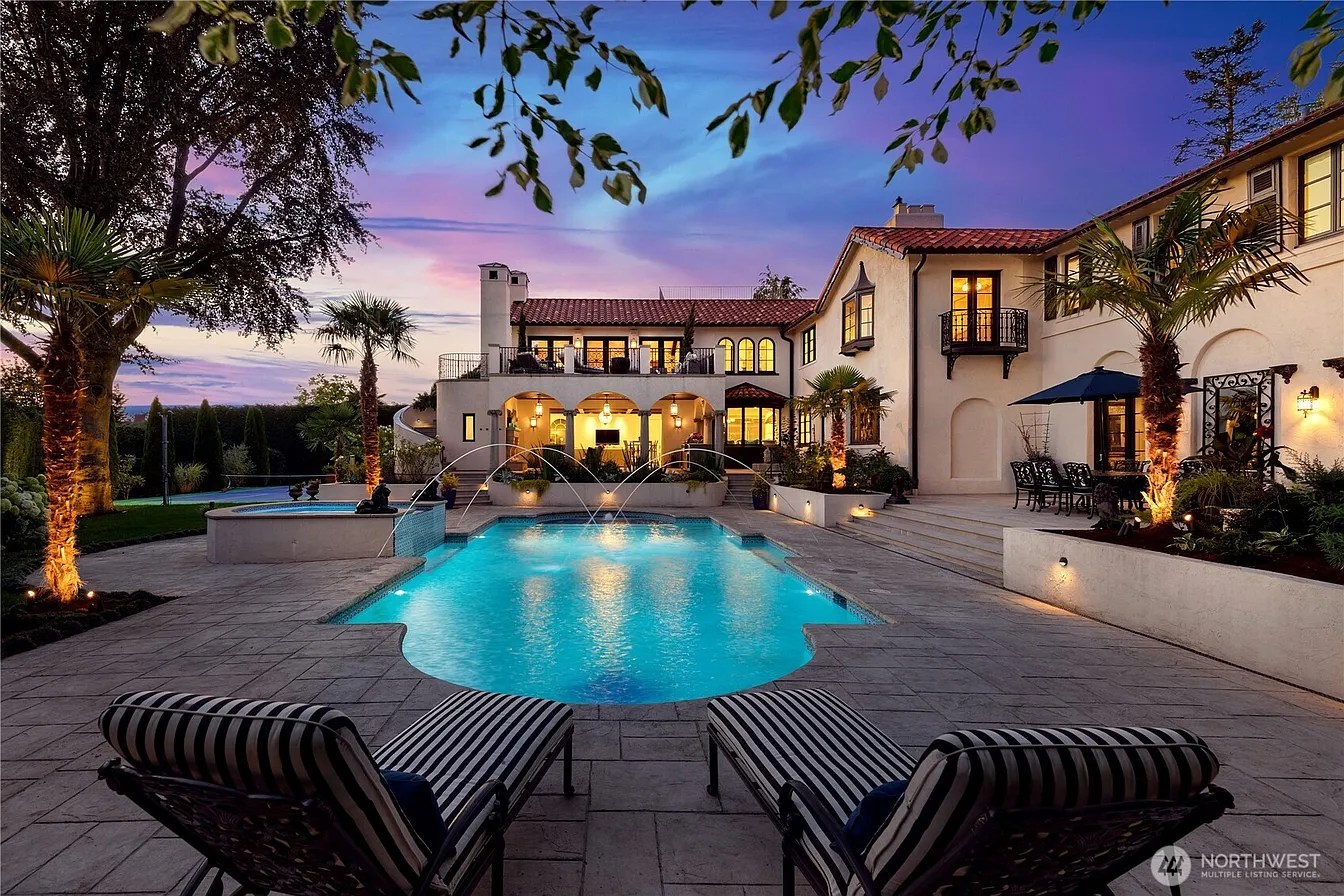
Listing photos of 1625 Federal Ave. from May 2025 (Northwest MLS) 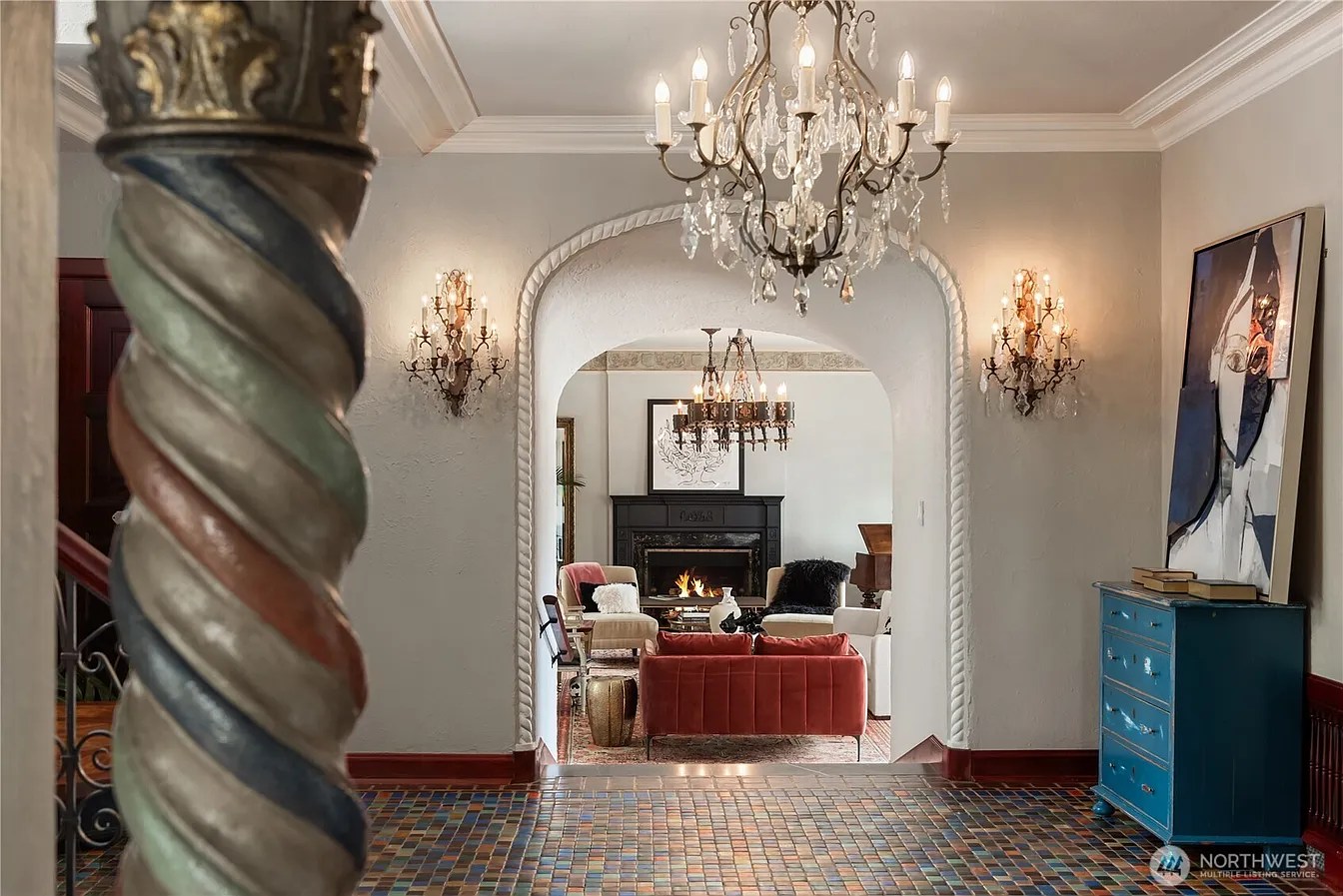
Listing photos of 1625 Federal Ave. from May 2025 (Northwest MLS) 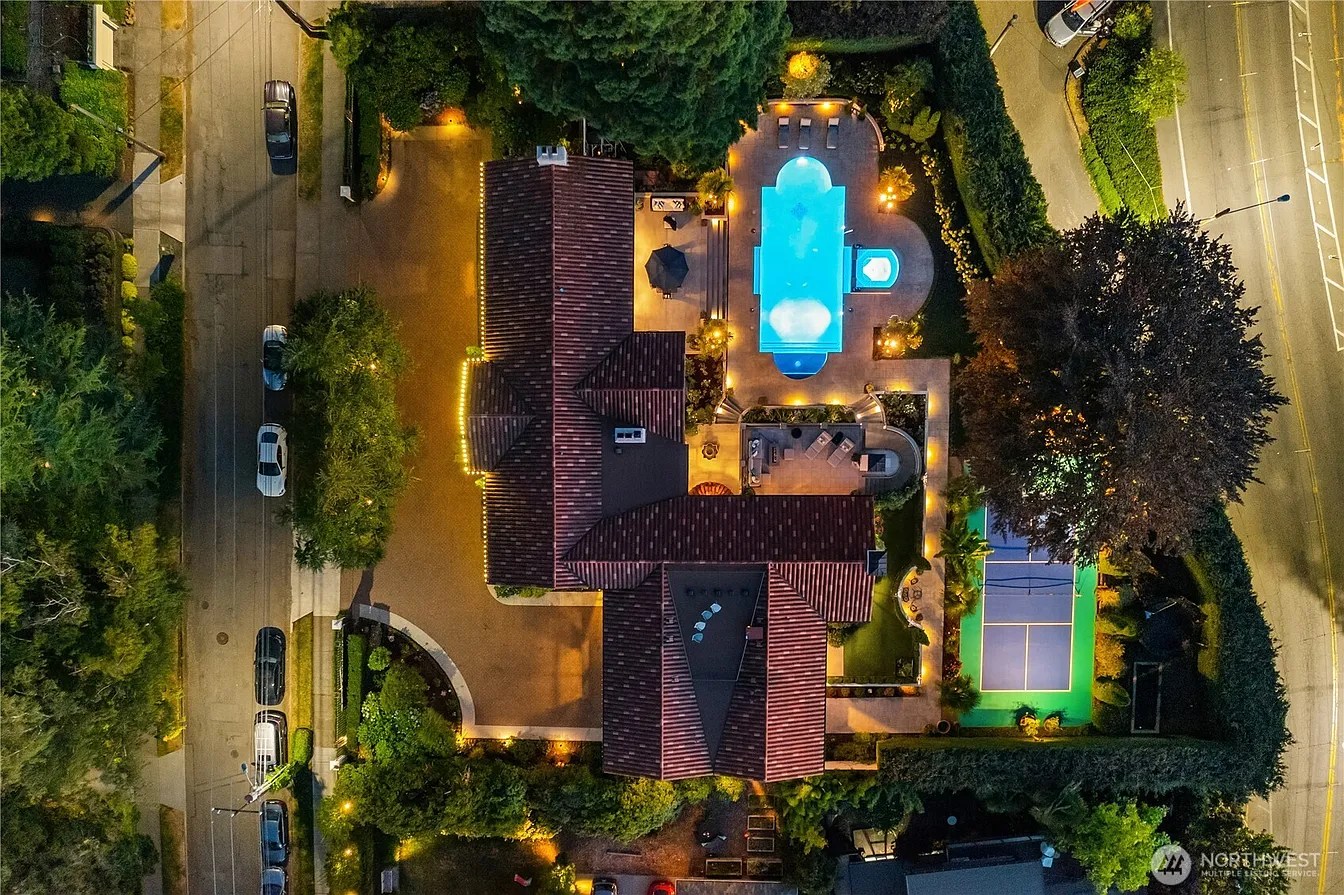
Listing photos of 1625 Federal Ave. from May 2025 (Northwest MLS) 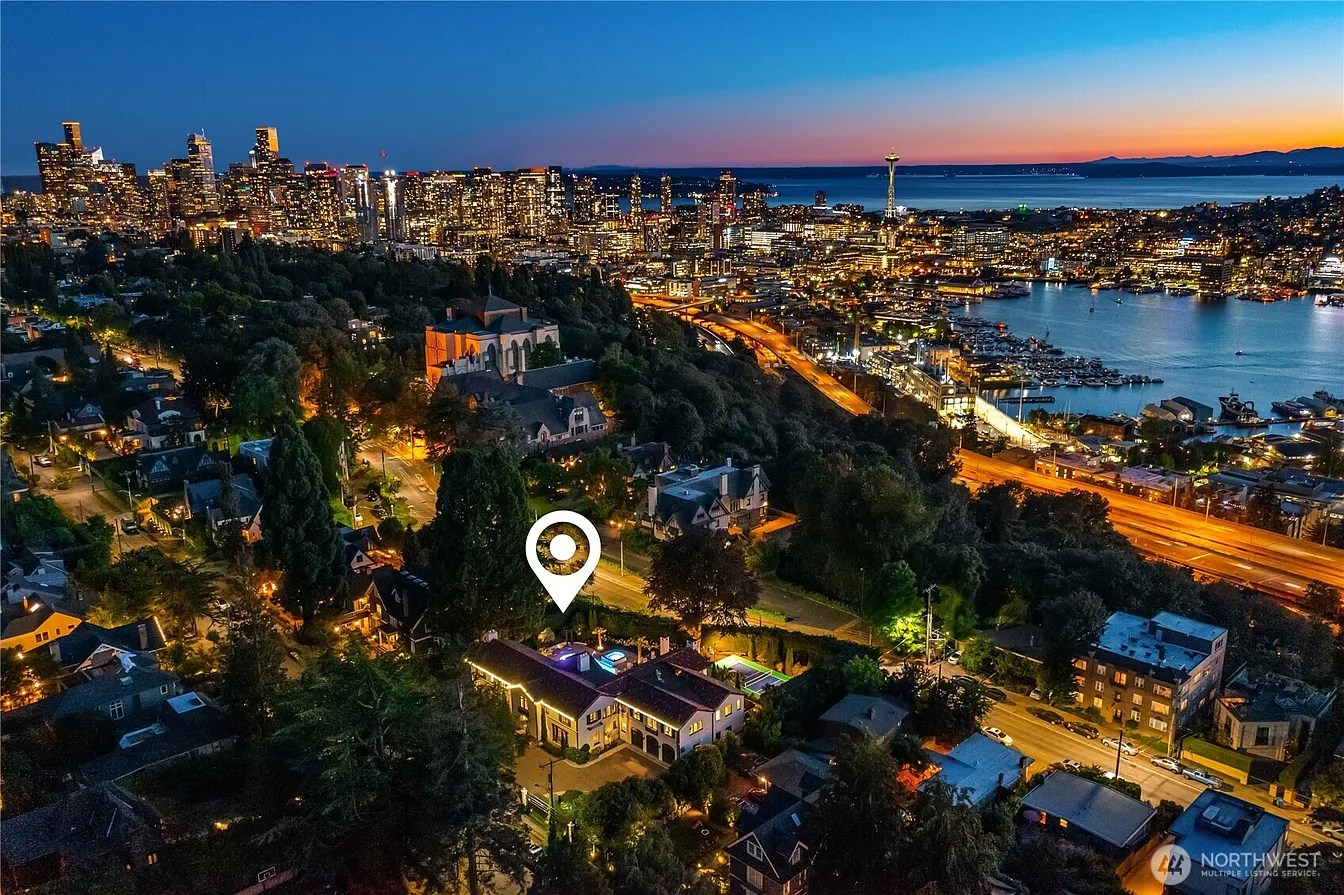
Listing photos of 1625 Federal Ave. from May 2025 (Northwest MLS) 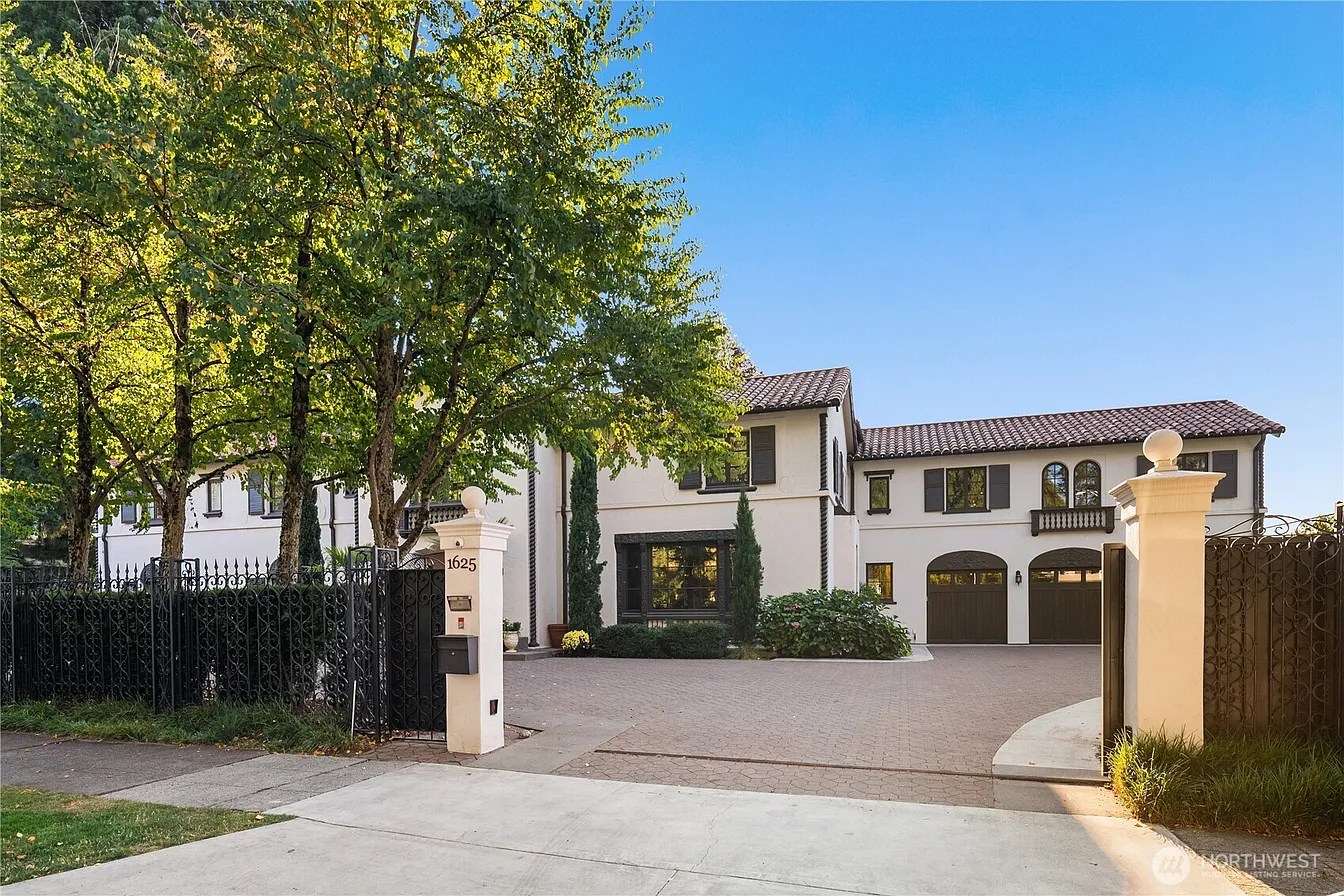
Listing photos of 1625 Federal Ave. from May 2025 (Northwest MLS)
Other documents show the Leonards living in a smaller, but still grand, home in the north Capitol Hill neighborhood (1220 21st Ave E) at least through the late 1950s.
The Leonard Family
The family’s patriarch, Alton Leonard, was of high stature in the business community. He began his career as a bookkeeper for the Edison Illuminating Co. in Boston, and rose through the ranks in the industry, with stints in Michigan and Minnesota.
The family arrived in Seattle in 1914, when Alton Leonard landed a position as Vice President and General Manager of the Puget Sound Traction, Light and Power Co., which evolved into today’s Puget Sound Energy. The prestigious position afforded him the means to procure the Capitol Hill mansion at 1625 Federal Avenue in 1924.
The 1920 census shows the Leonard family living at another address in north Capitol Hill. The household was large: Alton and his wife Anna, daughters Olive, Pamele, and Constance, son Richard; 35-year-old servant Hannah Haggre; 53-year-old governess Mary J Maloney; and 49-year-old butler William Pitts.
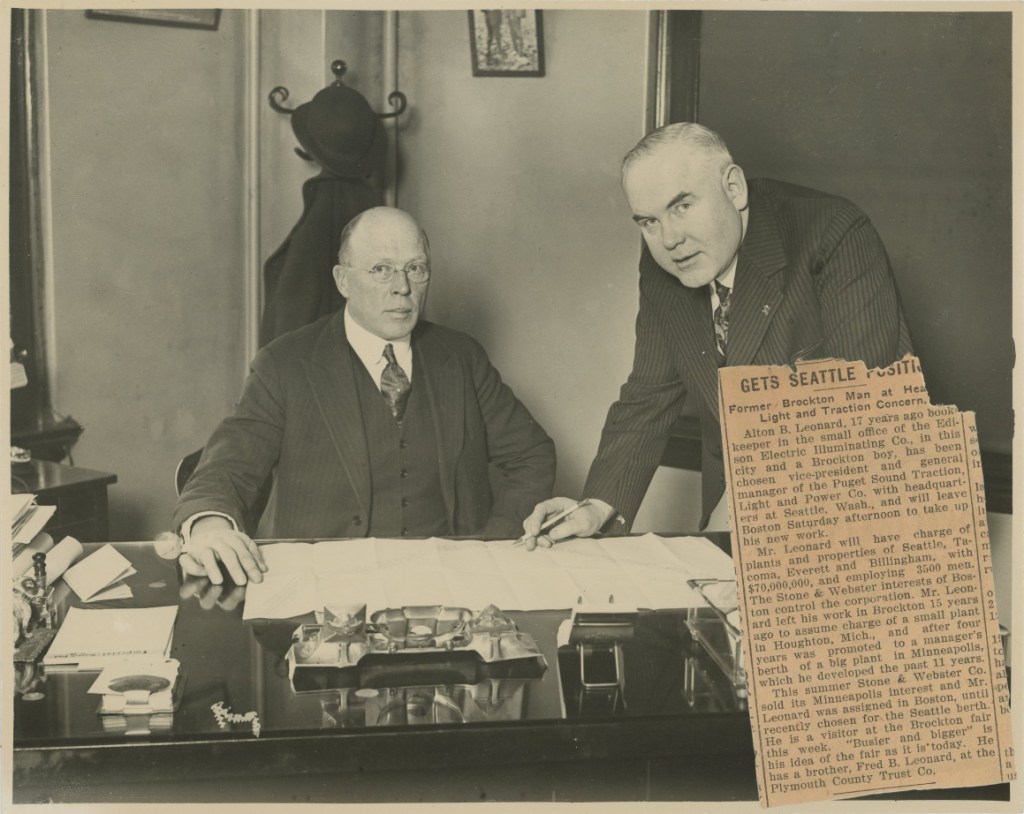
Richard Keith Leonard, holder of the drivers licenses in my collection and star record-keeper, was born on December 10, 1905, in Boston.
His early life was as blue-blooded as it gets. He attended boarding school in Santa Barbara and returned to his Boston roots to study at Harvard, where he played on the polo and fencing teams.
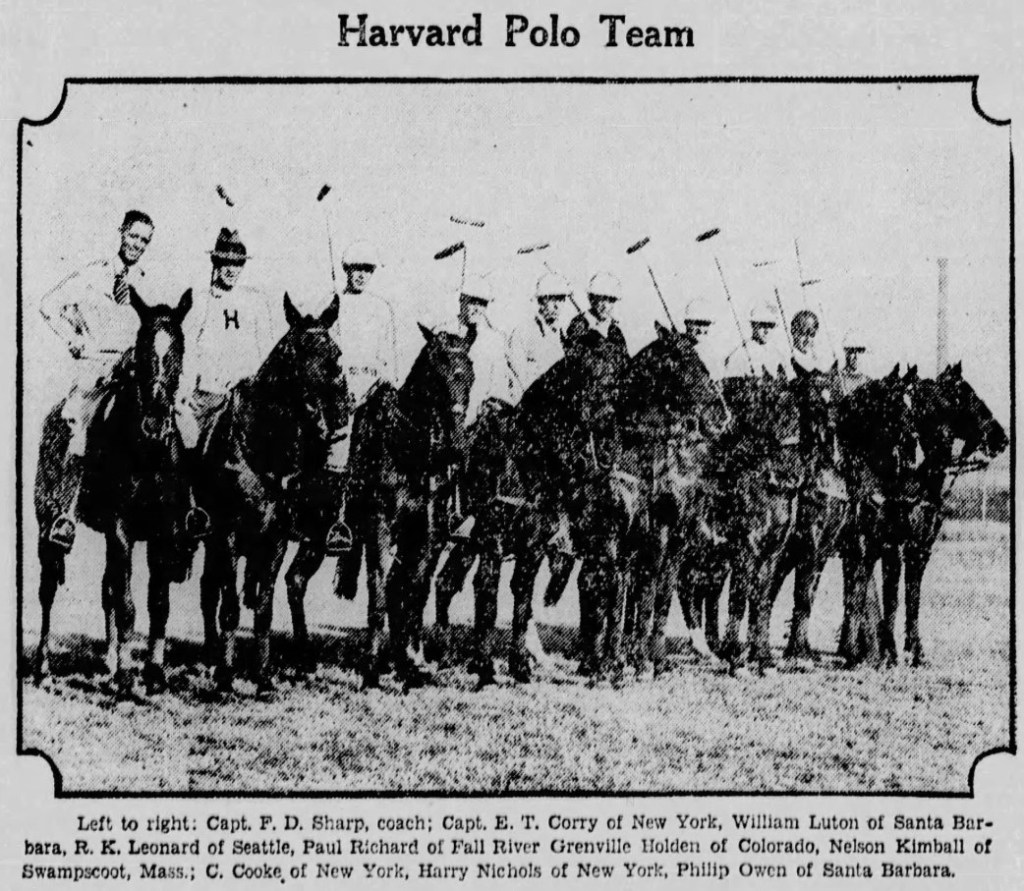
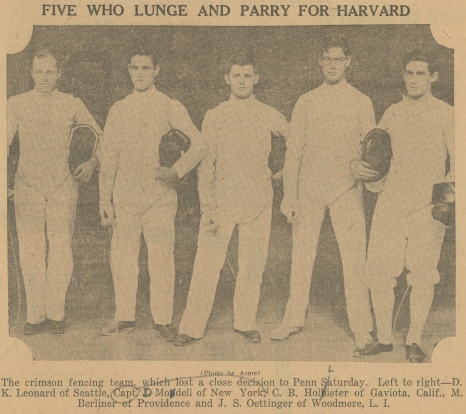
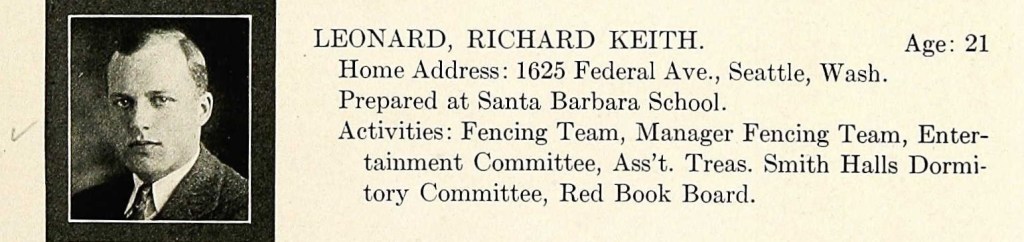
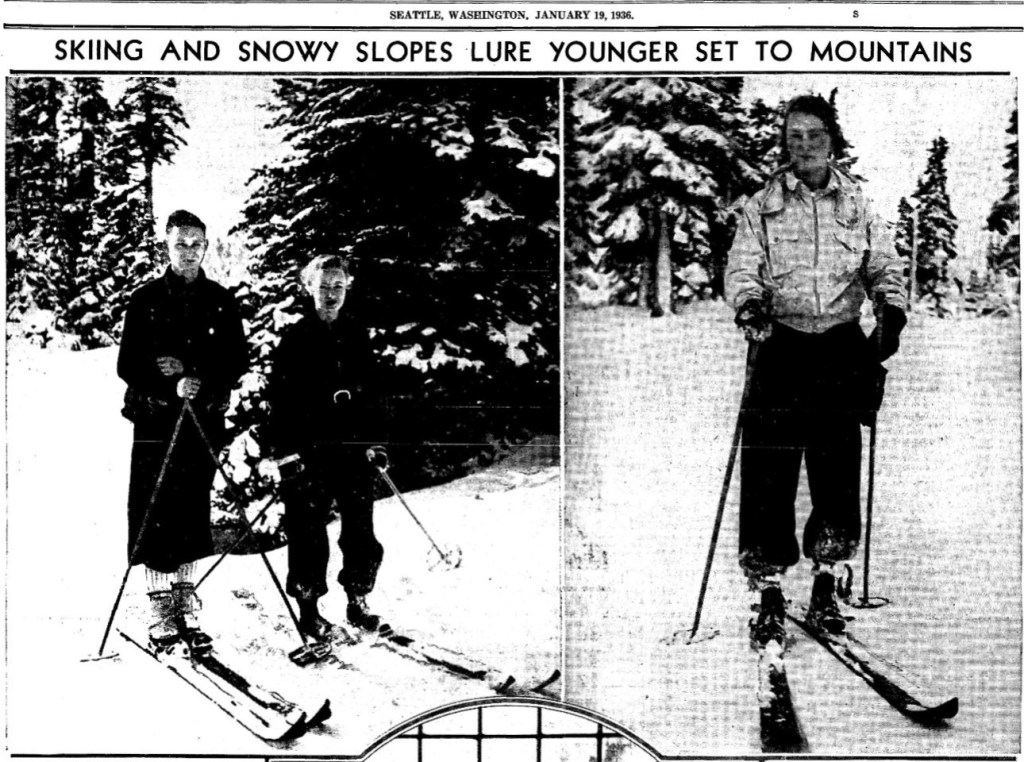
But he didn’t stay in Boston. After graduating, Richard Leonard established a comfortable life in Seattle. Among his hobbies were skiing and photography, and he was involved with skiing schools at Mt. Rainier National Park.
During World War II, he served in the US Army, and remained stationed in Japan into the 1950s as part of the U.S. occupation. He married, had children, and eventually settled in Arizona, where he became involved in politics.
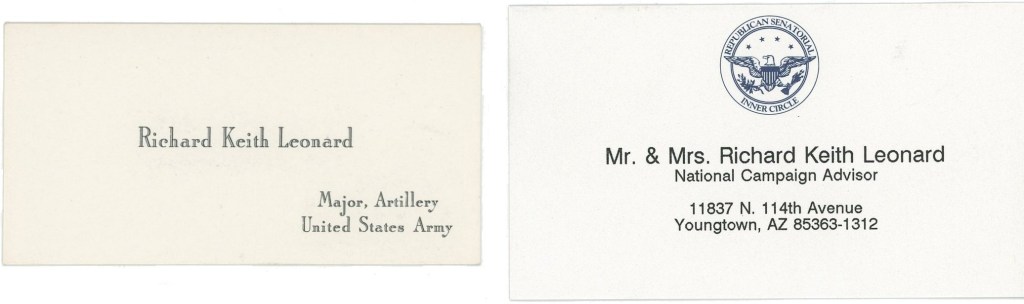
Richard Leonard died on February 20, 2001 in Arizona.
Connection to Grace Carter, Olympian
Richard Leonard’s love for skiing is likely what linked him to another young resident of 1930s Seattle, Grace Carter, whose prowess at the sport landed her a berth in the 1936 Olympics (more about that here).
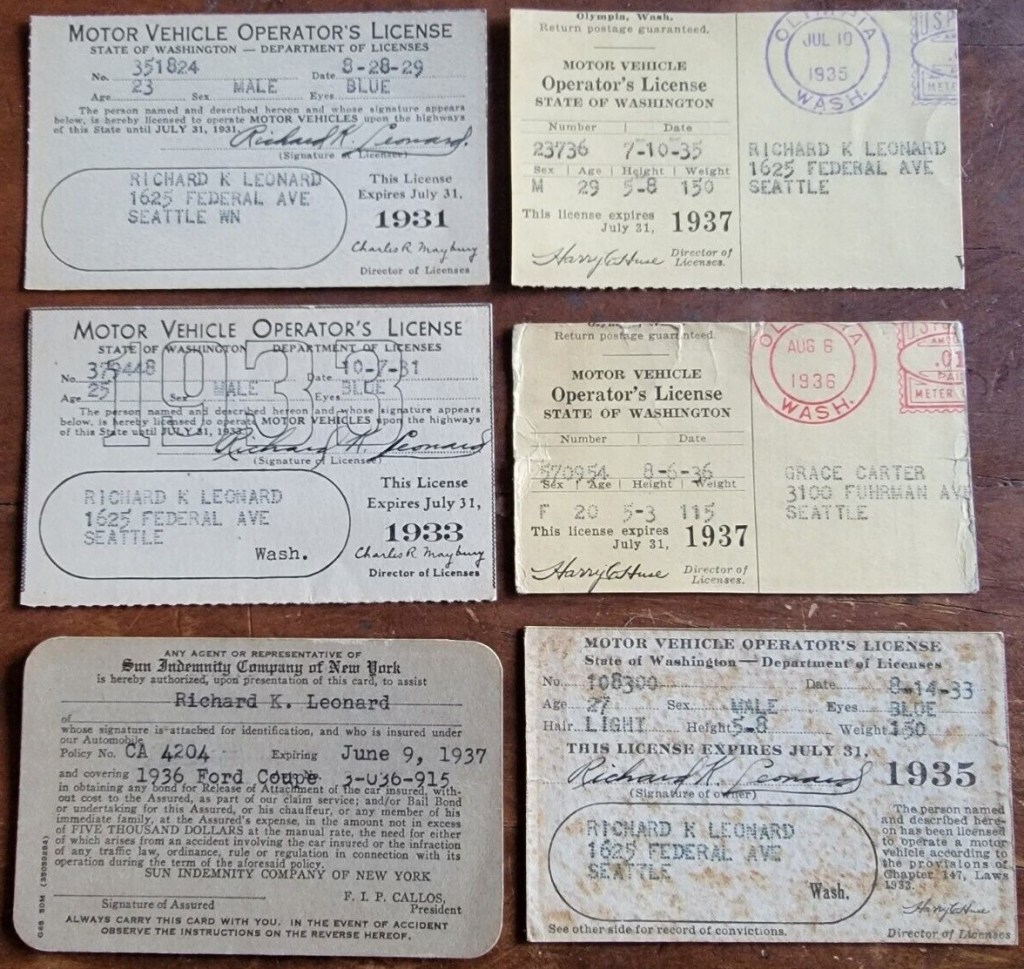
When I obtained four of Richard Leonard’s driver’s licenses in 2022, the lot also included the 1937 license for fellow Seattleite, Grace Ellen Carter, who was, at the time her license was issued, one of the top skiers in the Northwest and represented the United States at the 1936 Olympics in Germany.
As batches of Leonard’s photos made their way into my collection a few years later, Grace Carter was present in several. It’s clear they knew each other.
Grace Carter lived one mile away from the Leonard mansion, almost due north. Carter lived with her mother in a rented houseboat on Lake Union, in an era when a houseboat was not the luxury it is today. While she and Richard had very different social circumstances, they most likely met due to a shared interest in skiing.
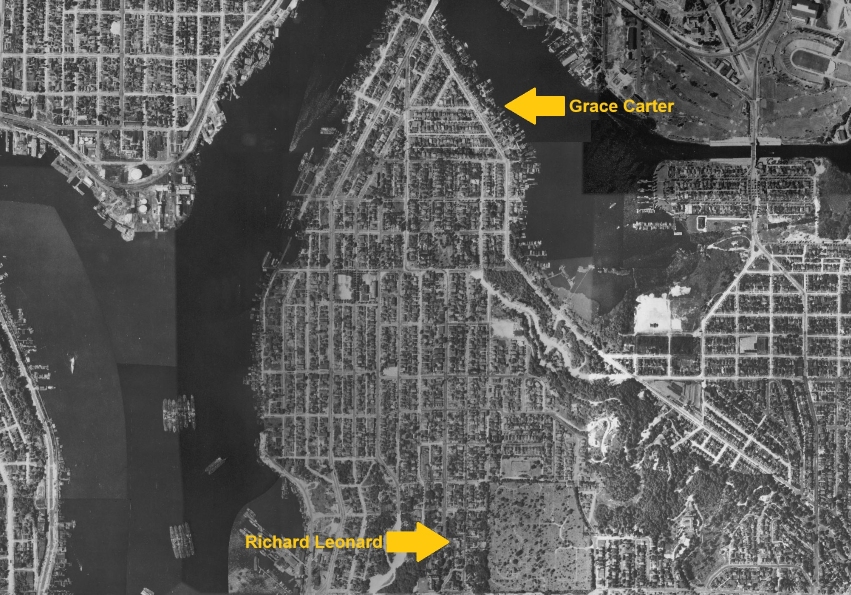
Among Richard Leonard’s hobbies was photography, and he made numerous excursions to Mt. Rainier and photographed ski schools there. Perhaps he was one of the friends with whom Ellen Carter made long, overnight drives to the mountain, as she recounted in a 1983 newspaper profile.
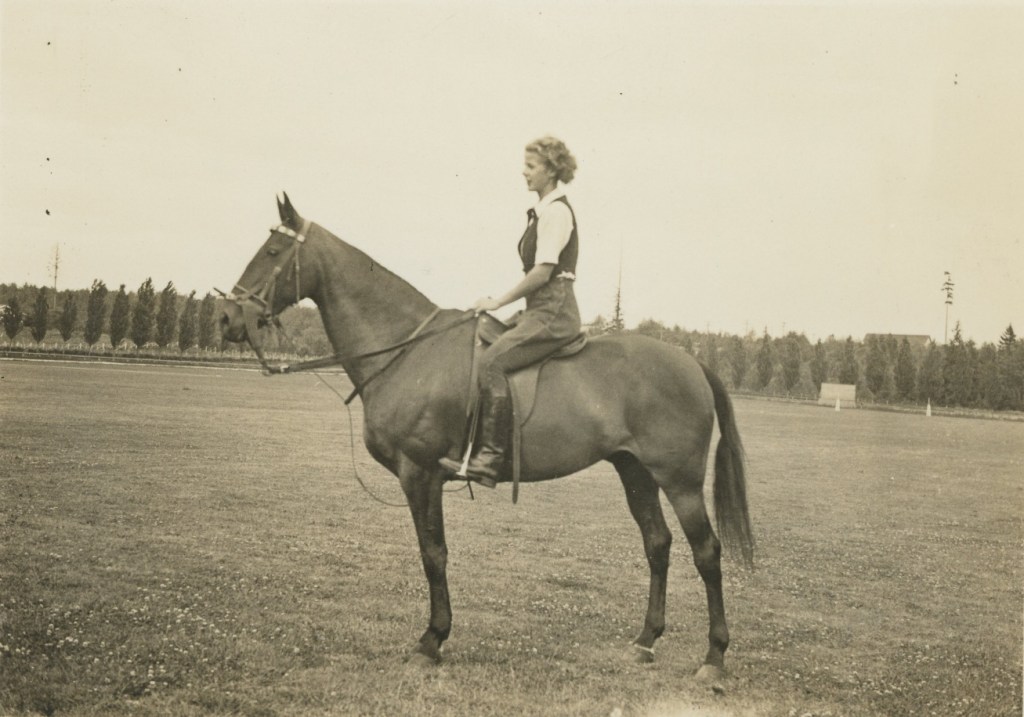
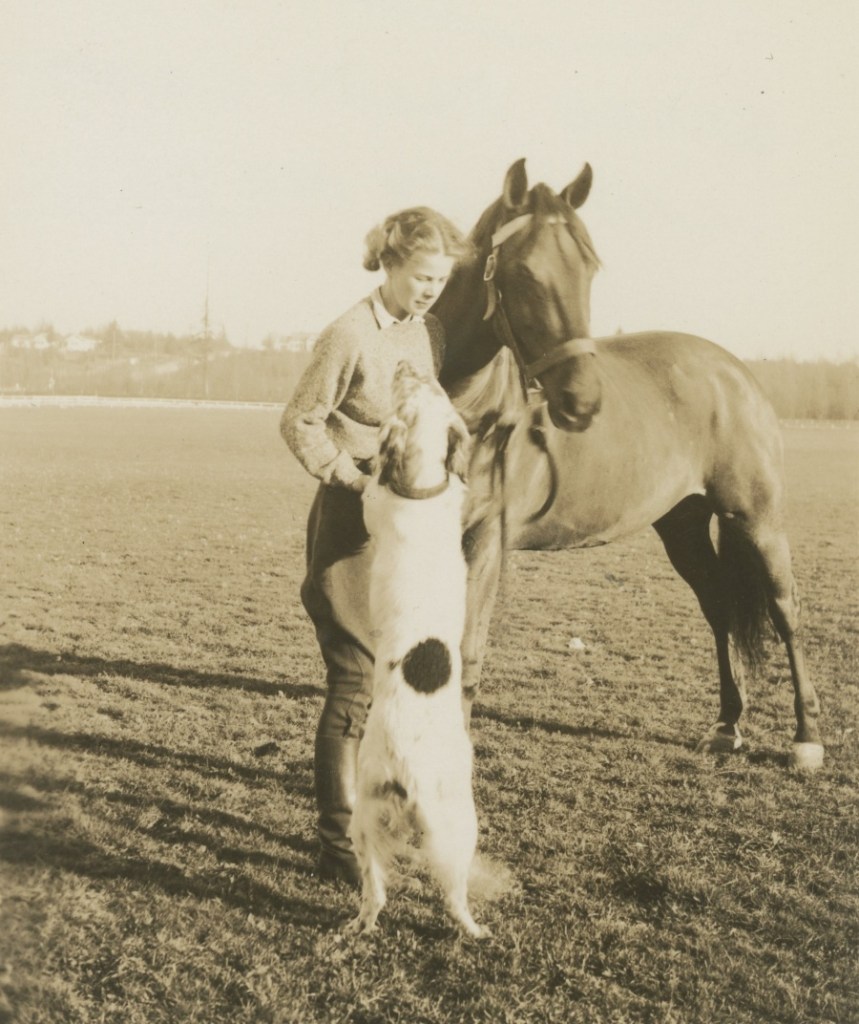
Apparently Grace was given the nickname “GECO.” The first three letters are her initials; the “O” is up for guesses. Grace Ellen Carter, Olympian?
While it’s not odd that Leonard and Carter crossed paths and had a friendship, what IS strange is how Grace Carter’s driver’s license made its way into Richard Leonard’s paperwork. Having photos of friends is normal; keeping a friend’s driver’s license is not (unless Leonard also collected Washington state licensing ephemera…).
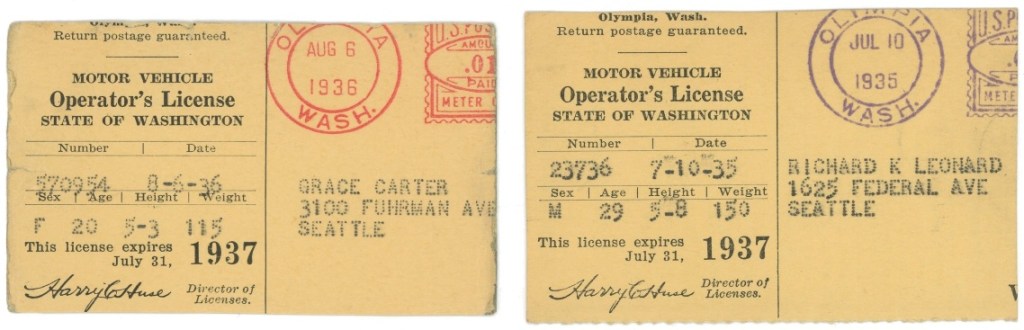
Ellen Carter moved from Seattle before her 1937 license expired, settling in Minnesota with her new husband. Did she give it Richard Leonard as a keepsake? Did it accidentally get mixed in with other photos or papers she gave him? Had she and Leonard ever been more than friends? We’ll never know.

