
Change has arrived on the roads of Washington state. In late 2024, the Washington State Department of Licensing announced that standard-issue license plates would for the first time be flat.

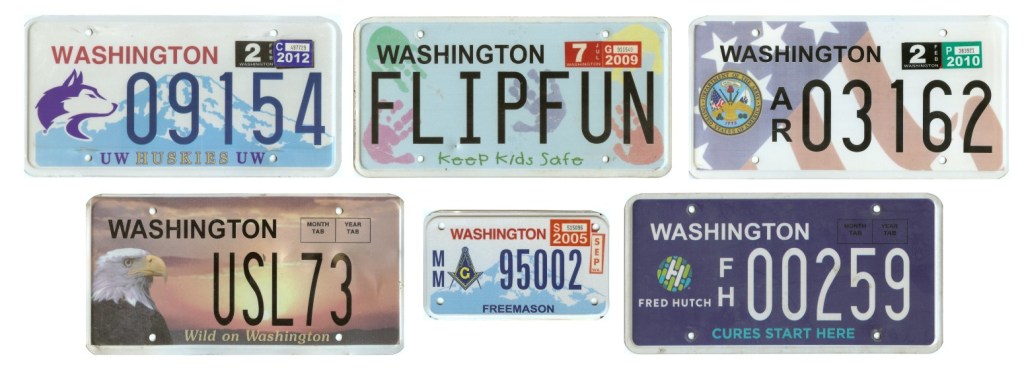
Flat license plates aren’t new to Washington; personalized plates, all optional-design backgrounds, collector vehicle, ride share, disabled veteran, and other types have been made with flat-printed designs for two decades.

But the majority of license plates are embossed: standard-issue plates for passenger vehicles, commercial vehicles and trucks, trailers and motorcycles, government-owned (exempt) vehicles, car dealers, wreckers, and a bevy of other miscellaneous vehicle classes all have the familiar, tried-and-true stamped numbers and letters.
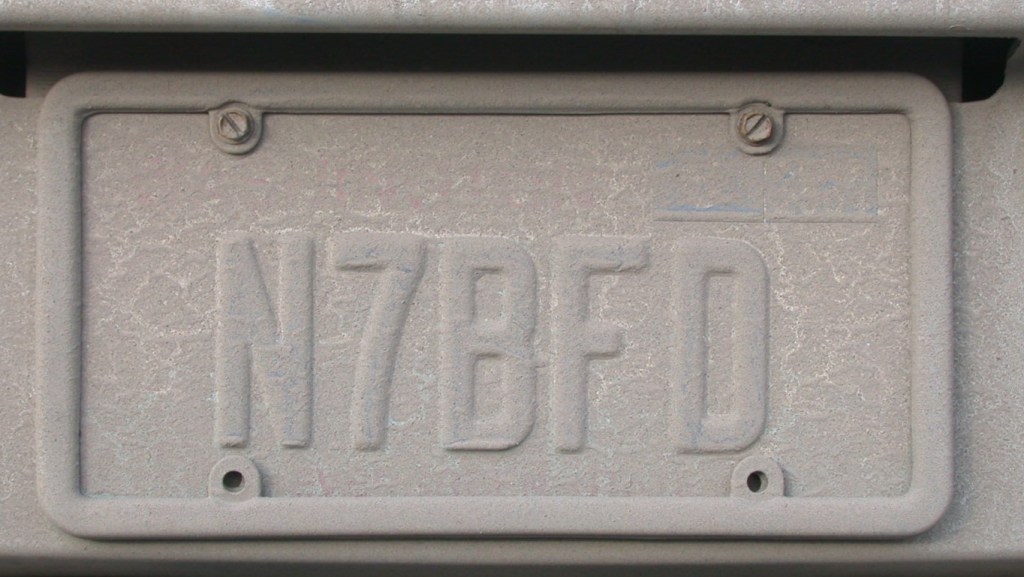
Those days are numbered.
Print-to-Emboss License Plates in Washington
The switch to issuing all-flat license plates was presented as a temporary solution to ongoing production shortages by skipping the final step of the current license plate manufacturing process: stamping the registration numbers. This workaround is possible because of recent investments in new, modern manufacturing equipment, which was installed at the license plate shop at the Walla Walla Penitentiary earlier in 2024 to replace aged embossing and painting equipment.
The new machinery uses print-to-emboss technology from the JR Wald company. Traditionally, license plates were manufactured by applying the background paint or sheeting to aluminum rolls, cutting blanks, stamping the registration number, and then applying a rollercoat of paint to the embossed numbers, which was then dried in an oven (a fascinating series of photos of the Walla Walla Penitentiary manufacturing 1958 Washington license plates is available at Joe Drazan’s Bygone Walla Walla blog).
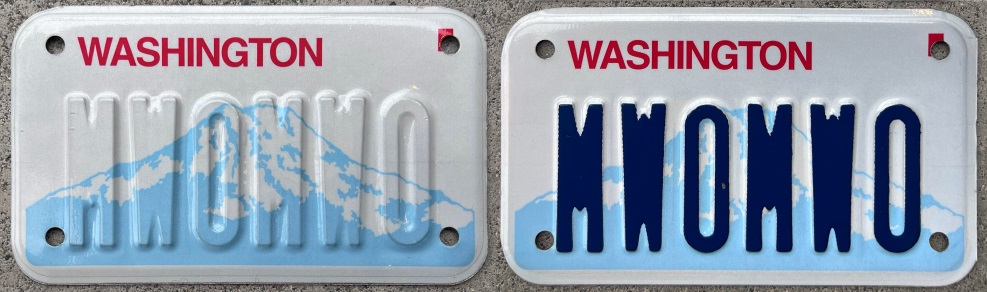
With print-to-emboss, digital plate technology is used to print sequential license numbers directly onto the background sheeting. These flat-printed plates then proceed to an embossing machine, where an operator manually lays out the stamping dies that correspond to the number, and the resulting stamping embosses the plate exactly in alignment with the printed numbers. No additional paint application or drying is needed.

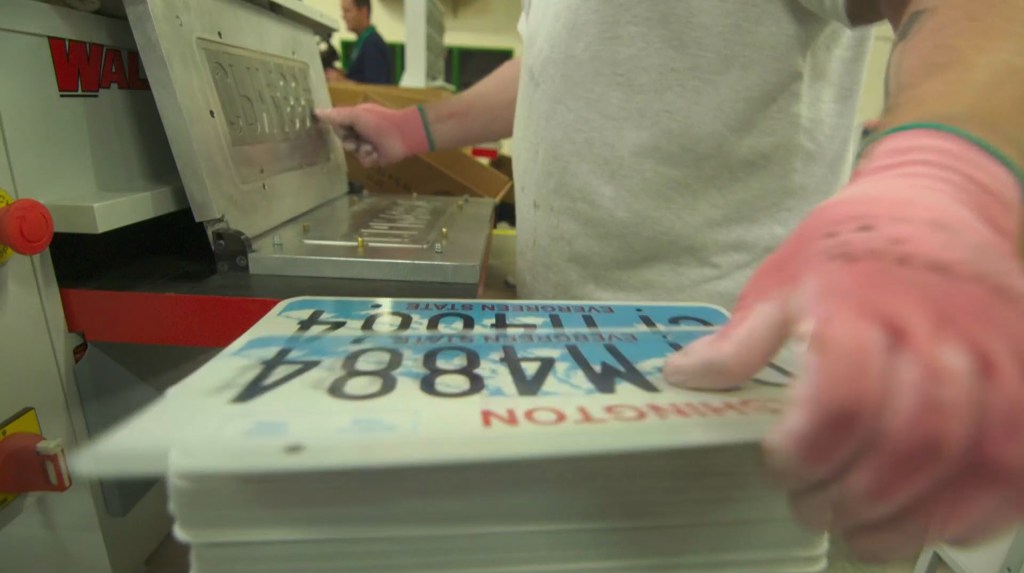
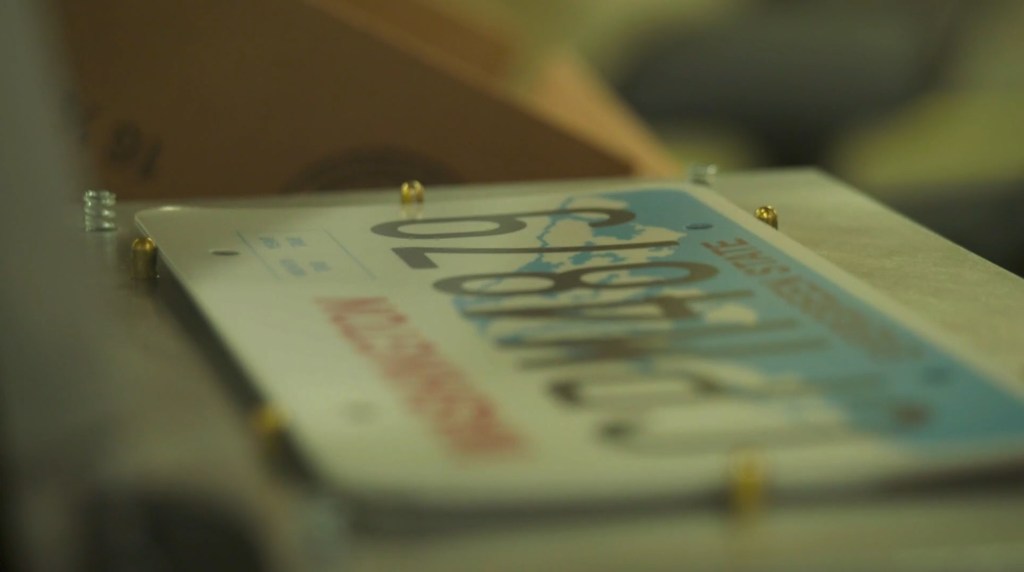
Below are screenshots from a JR Wald promotional video, showing a series of license plates being manufactured for Haiti using the Print-to-Emboss technology similar to what was recently installed at the Walla Walla Penitentiary.

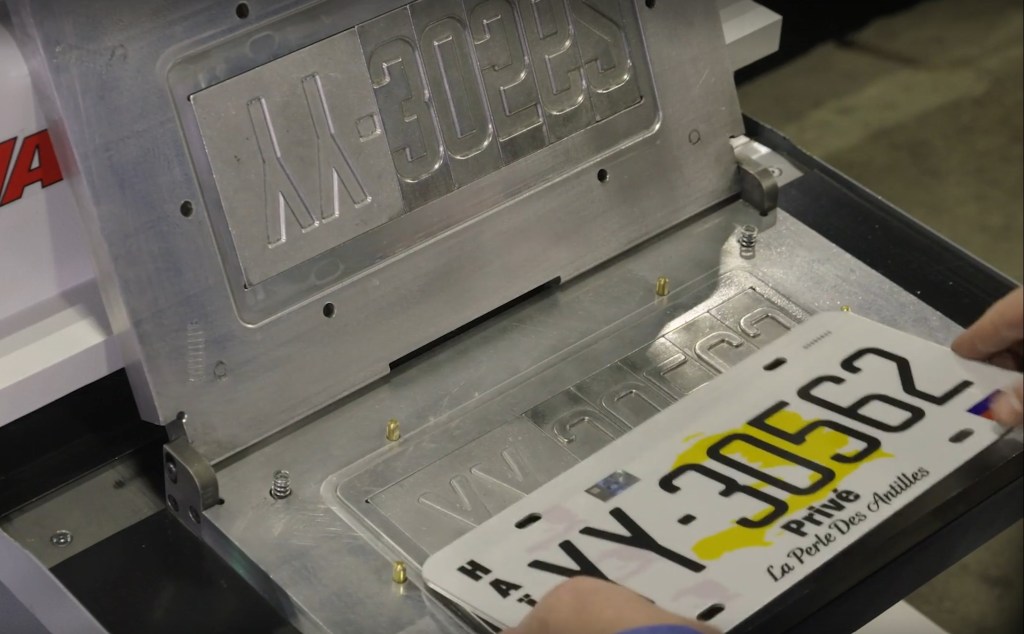


While this method saves production time and expense by avoiding paint and ovens, it still requires manual work to set dies and stamp license plates pair by pair. By issuing the flat plates to the public, Washington state officials are streamlining production by skipping the final embossing step.
Digital License Plate Printing
Flat license plates became widely adopted around the turn of the millennium as digital printing technology matured. One of the main selling points of the method is the speed of manufacturing and the ability to change out production runs easily and frequently. The latter is the driving point for Washington’s adoption of digital printing for most optional design, personalized, or low-volume vehicle classes. Standard-issue passenger, commercial, trailer, and motorcycle license plates are made in large batches with consecutive numbers, so the additional cost of digital plates was not historically justified.
Flat Washington License Plates
When digital flat plates first debuted, here in Washington and in other states, they were quite unattractive. The main culprit was the use of generic, bold font designed by 3M.
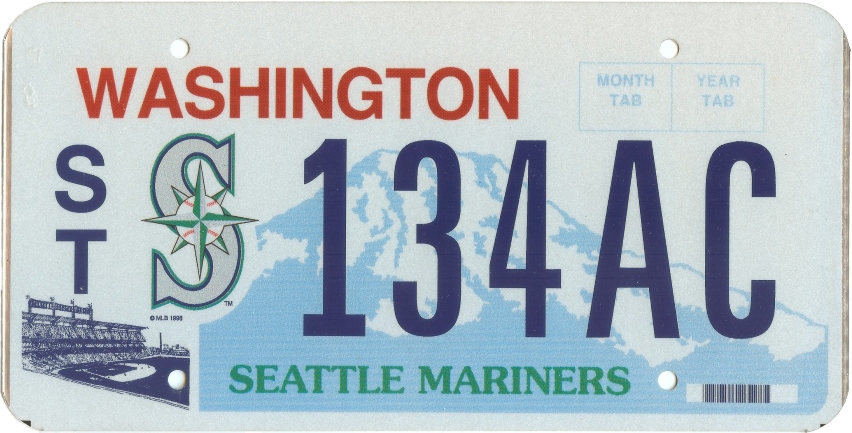
The designs quickly evolved into custom fonts that resembled the longstanding style of Washington’s stamping dies, and resulted in a more graceful license plate.
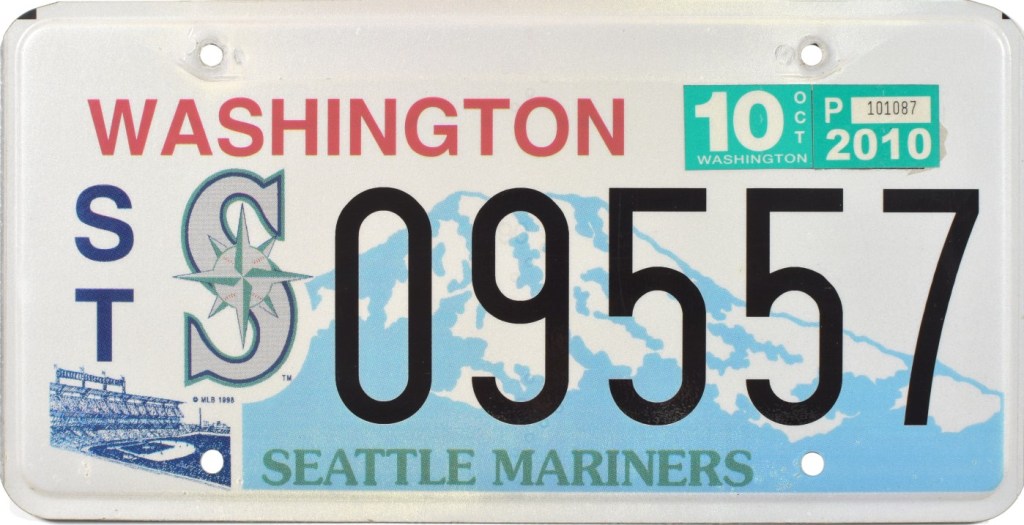
Early flat plates in Washington used blue for the registration number, matching the embossed color scheme, but was replaced by black for enhanced legibility.
Since 2005, flat license plates have been in use for almost all non-standard types and designs.
The Road Ahead
When the Washington Department of Licensing announced the change to flat plates in September, it was presented as a temporary solution to relieve the production backlog that has created widespread license plate shortages. It’s likely the state may decide embossing isn’t all that important and continue to save time and money by not stamping any license plates. Time will tell.
In any case, the 2022-2024 era is one of interesting (if you’re nerdy enough to care) changes and variations, with traditional embossed manufacturing split between Walla Walla and Nova Scotia, with stamped Print-to-Emboss plates briefly in production, and now flat license plates hitting the road.
 Danny's License Plates